

“Ask, Seek, Knock: What Are You Really Asking For?”
Luke 11:9 has long been one of my favorite scriptures, but it’s also one I’ve misquoted more times than I can count—mostly to myself. “Ask, and it will be given to you; seek, and you will find; knock, and it will be opened to you.” For years, I interpreted this as Jesus telling us to pray persistently and expectantly, and eventually, we’d get what we wanted. Not in a “name it, claim it” way, but perhaps leaning in that direction.

Reflections on the Charismatic Movement: Lessons for the Next Generation
As someone who came of age during the charismatic renewal of the late 90s and early 2000s, I look back on that time with both gratitude and caution. It was a season marked by an intense focus on the gifts of the Holy Spirit, a deep hunger for God’s presence, and a sense of radical calling. I still believe in the gifts of the Spirit and the power they hold to build up the Church. However, there are important lessons I wish I had understood then—lessons I now want to share, especially with young people who may find themselves drawn to similar movements.

The Power of the Liturgy
One of the most meaningful elements of my Catholic faith is the liturgy of the Mass. It has been a breath of fresh air compared to the Protestant traditions I experienced throughout my life. On one side, I encountered seeker-driven movements focused on entertainment to appeal to visitors: light shows, fog machines, catchy music, and even fireworks designed to wow people and drive growth. On the other side, I saw groups emphasizing the teaching ministry of the church, striving to be more intellectually rigorous than emotionally engaging.
Chosen Fatherhood: Reflections on Joseph and the Gift of Adoption
The story of Joseph and Jesus is more than just a biblical detail. It’s a reflection of God’s providence and the nature of fatherhood. Joseph didn’t share Jesus’ DNA, but he shared his life. He obeyed God, cared for Jesus, protected Him, and loved Him as a father should. Joseph didn’t have to say “yes” to that role, but he did.

What Does It Mean to Be Evangelical?
Some people assume the idea of a personal relationship with Jesus started with the Protestant Reformation or movements like Pietism. But that’s not true. The Catholic tradition has always included deeply personal expressions of faith.
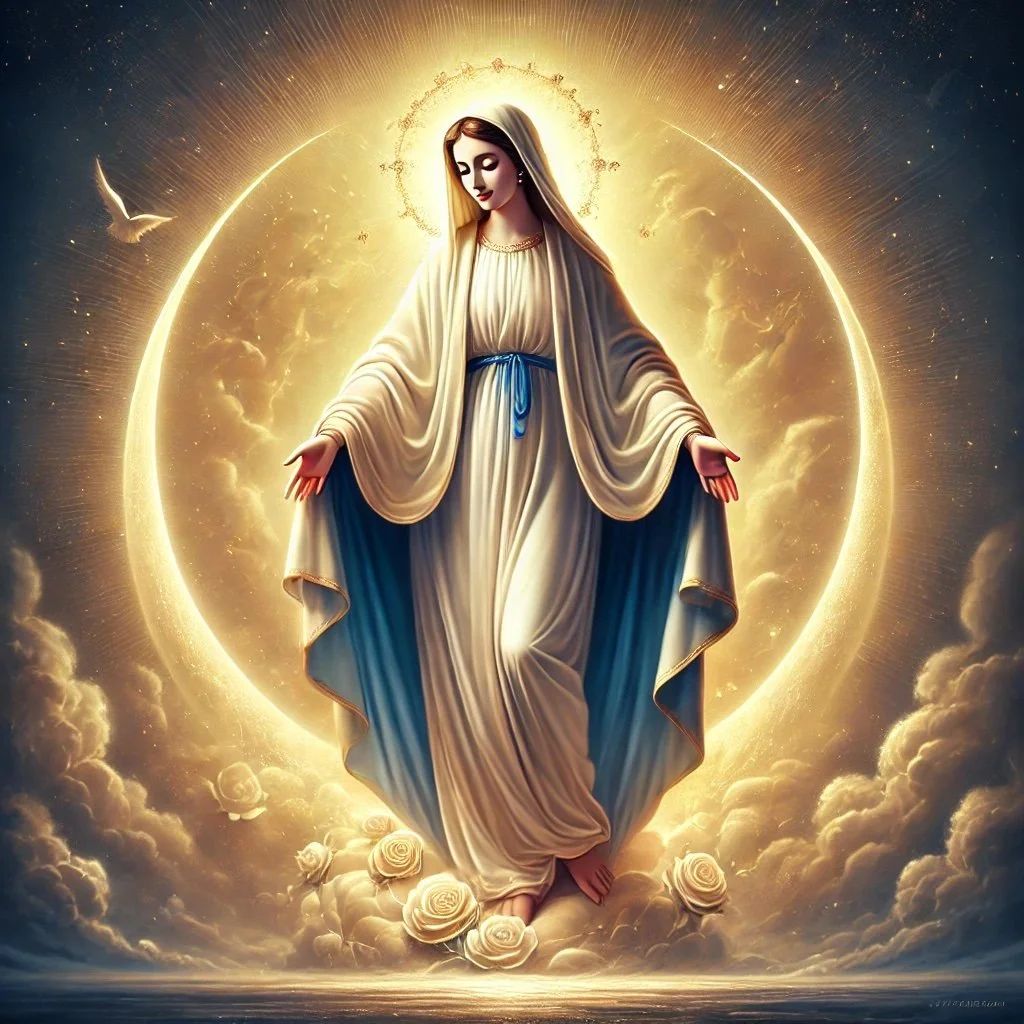
The Feast of the Immaculate Conception: Understanding the Doctrine’s Development
The Immaculate Conception, defined as dogma in 1854 by Pope Pius IX, teaches that Mary was preserved from original sin from the very moment of her conception, a singular grace granted through the merits of her Son, Jesus Christ. This truth reflects the perfection of God’s plan for the Mother of the Savior, ensuring she was a pure vessel to bear the Incarnate Word.
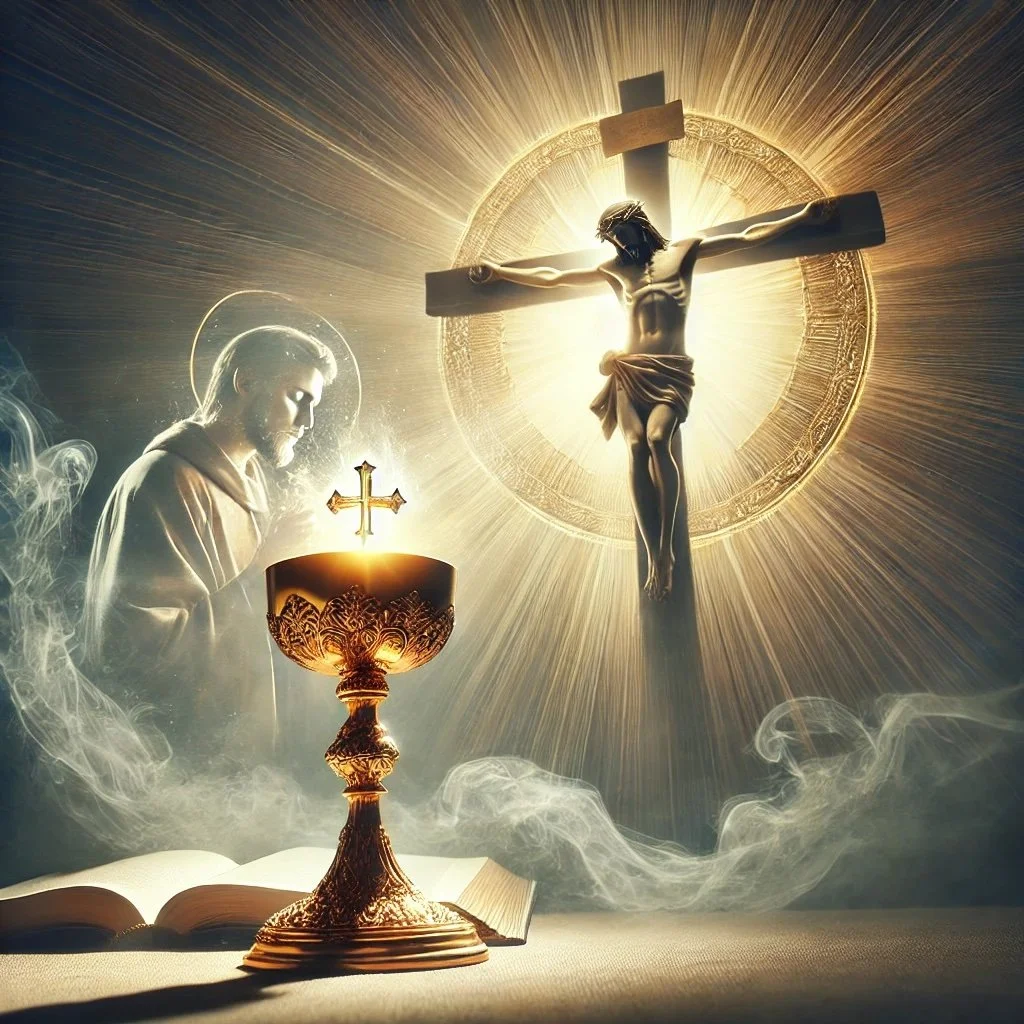
Is Christ Recrucified at Every Mass?
the Mass is not a new sacrifice but a way for believers to enter into the eternal reality of Christ’s offering to the Father.
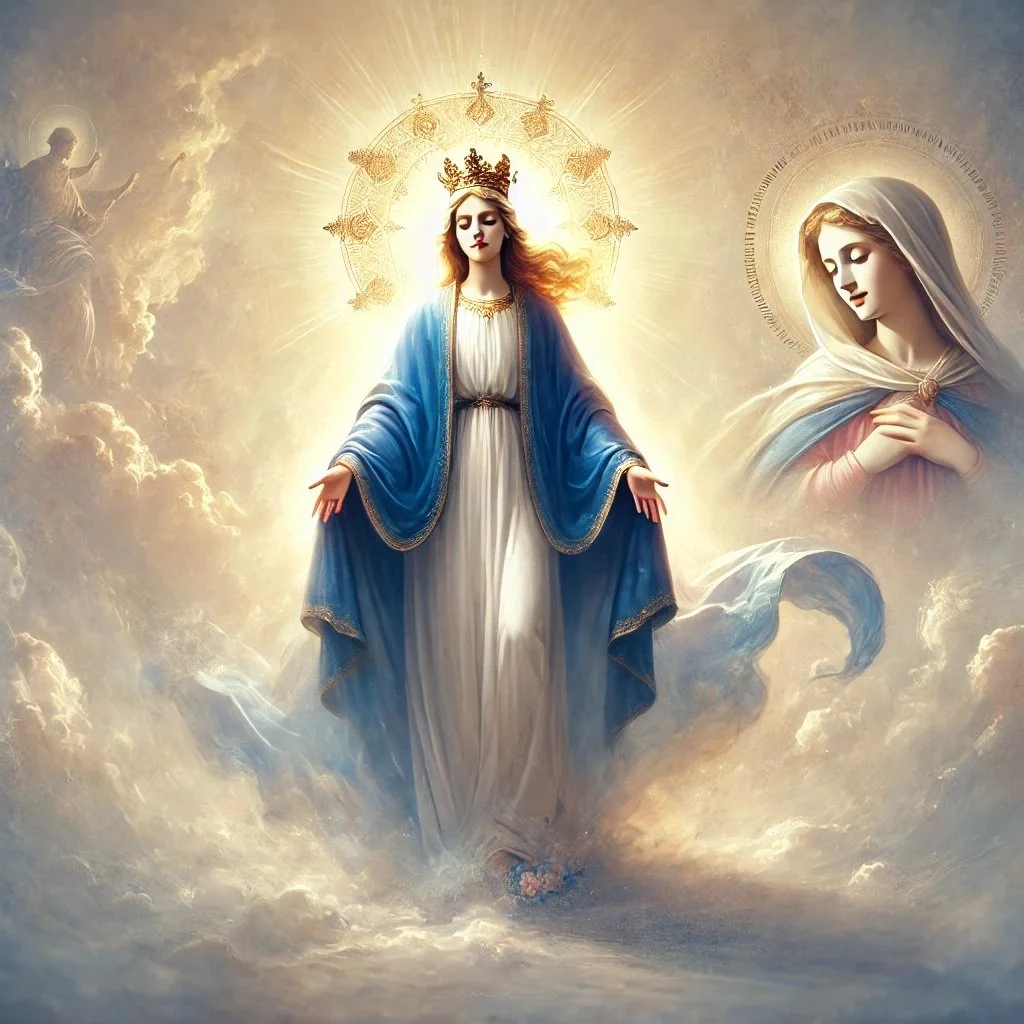
Why Venerate Mary? A Biblical and Theological Defense
In conversations about the veneration of Mary, one often encounters strong objections, particularly from Protestant perspectives. Recently, I listened to Dr. James White argue against Mary’s veneration, raising questions about its biblical basis. Yet, Scripture and tradition together provide a compelling case for honoring Mary—not as an object of worship, but as the greatest of saints and a model for every Christian.
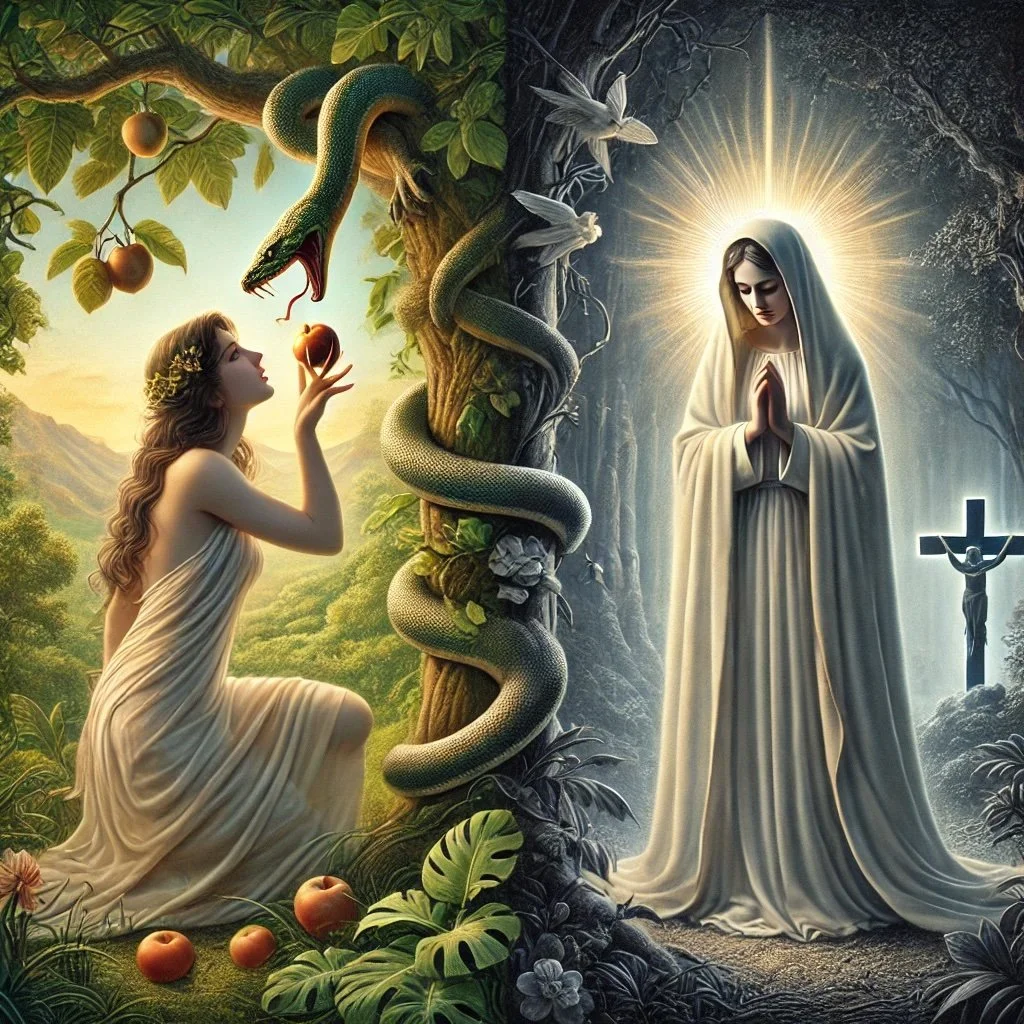
Undoing the Fall: Eve’s Temptation and Mary’s Yes
Humanity’s story is a tale of two pivotal women: Eve and Mary. One’s act of disobedience set the stage for humanity’s fall, while the other’s act of obedience opened the door for redemption. By comparing Eve’s fall to Mary’s acceptance of God’s will, we can see how God, in His infinite wisdom, wove a plan to reverse the effects of sin and invite humanity back into communion with Him.

Why Do We Need Sacred Tradition?
For much of my life as a Protestant, I firmly believed in sola scriptura—the idea that the Bible alone was all I needed to know, understand, and live the Christian faith. It was a non-negotiable belief for me. Any discussion of Sacred Tradition was, in my mind, unnecessary and even dangerous. Case closed.